ETL Architecture
Spark tutorial · PySpark.in
ETL Architecture
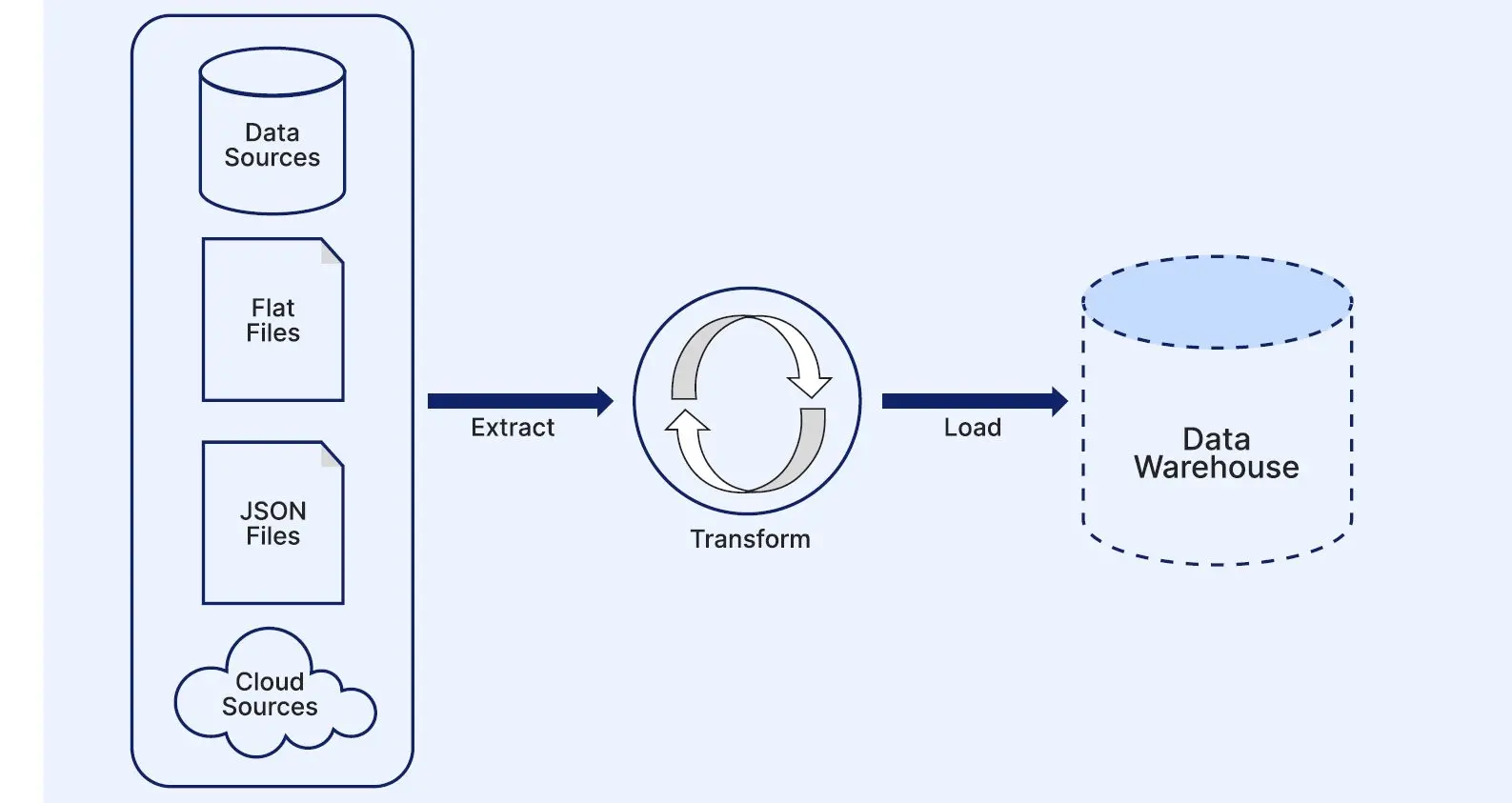
Data Sources (Input Layer):
What it is: The entry point of data into the ETL pipeline.
Example:
a. Databases: MySQL, PostgreSQL, MongoDB.
b. APIs: Product catalogs, social media APIs.
c. Logs: Web server logs, application logs.
d. Streaming: Kafka, AWS Kinesis, IoT devices.
Purpose: Gather raw data in various formats (structured, semi-structured,
unstructured).
Key Point: The extraction must ensure accuracy and completeness without
affecting the performance of the source systems.
Staging Area (Raw Data Layer):
What it is: A temporary storage layer where raw data lands before any
processing.
Example: Storing JSON/CSV files in Amazon S3, Google Cloud Storage, or HDFS.
Purpose:
a. Acts as a buffer to decouple source systems from the pipeline.
b. Provides a safe copy of raw data for reprocessing if needed.
Key Point: Ensures that even if transformation fails, raw data is preserved.
Transformation Layer (Processing):
What it is: The heart of ETL where raw data is cleaned, standardized, and
enriched.
Operations:
a. Cleaning: Removing duplicates, handling null values.
b. Standardization: Converting data types, currencies, or time zones.
Aggregation: Calculating daily sales totals, averages, KPIs.
Enrichment: Joining with external datasets like demographics or product
metadata.
Business Rules: Applying logic like flagging “high-value customers.”
Tools: Apache Spark, dbt, Pandas, SQL scripts, Azure Data Factory.
Key Point: Ensures data is consistent, reliable, and analysis-ready.
Warehouse / Data Lake (Destination Layer):
What it is: The final storage system where transformed data is kept for
consumption.
Options:
a. Data Warehouses: Snowflake, BigQuery, Redshift (for structured,
analytics-ready data).
b. Data Lakes: S3, GCS, Delta Lake (for raw + semi-structured storage).
Loading Approaches:
a. Batch Load: Large data chunks at scheduled times.
b. Streaming Load: Continuous updates for real-time analytics
Consumption Layer (Analytics / ML / BI):
What it is: The layer where end-users and applications use the data.
Example:
a. BI Tools: Tableau, Power BI, Looker → for dashboards and reports.
b. Machine Learning Models: Use curated data for predictive analytics.
c. APIs/Apps: Expose data to business applications or customer-facing systems.
Key Point: This is where business value is created from the ETL pipeline.
Why this Architecture Matters
- Provides a structured flow from raw data to insights.
- Ensures scalability as data grows.
- Maintains data quality and governance.
- Supports both batch and real-time use cases.
- Creates a single source of truth for decision-making.
Tools & Technologies in ETL Pipelines
ETL pipelines don’t rely on a single tool. Instead, they use a stack of technologies
covering:
Data ingestion (Extract)
Processing & transformation (Transform)
Storage (Load)
Orchestration (Scheduling & Automation)
Monitoring & Quality Assurance
Data Ingestion Tools:
These are used for the Extract phase. They pull data from different sources such as
databases, APIs, logs, and event streams.
Apache Kafka
- A distributed streaming platform.
- Handles real-time ingestion of data like website clickstreams, IoT data, or
financial transactions.
Example: Netflix uses Kafka to capture streaming events for real-time
recommendations.
Fivetran / Stitch
- Fully managed SaaS-based ingestion tools.
- Provide ready-made connectors for Salesforce, Shopify, HubSpot, MySQL,
etc.
- Great for businesses that don’t want to maintain ingestion infrastructure.
AWS Glue / Google Dataflow / Azure Data Factory
Cloud-native managed services for ETL/ELT.
Provide built-in connectors, scheduling, and scaling.
AWS Glue can automatically crawl S3 and build ETL jobs without heavy
Example: AWS Glue can automatically crawl S3 and build ETL jobs without heavy
coding.
Transformation Tools:
These handle the Transform phase, where raw data becomes structured, clean, and
analysis-ready.
1.Apache Spark / PySpark
- Distributed data processing framework.
- Handles large-scale batch processing and real-time (Spark Streaming).
- Supports SQL, Python, Scala, R, and Java APIs.
Example: Cleaning and aggregating terabytes of e-commerce transaction logs.
dbt (Data Build Tool)
2.dbt (Data Build Tool)
- Transformation tool that works inside warehouses.
- Uses SQL to build data models and transformations.
Example: Analysts define data marts in Snowflake using dbt SQL scripts.
3.Pandas / Dask
- Python libraries for small to medium scale data transformations.
- Pandas → single machine.
- Dask → distributed processing similar to Spark.
Example: Cleaning a dataset of 10M rows before loading into ML models.
Apache Beam / Apache Flink
- Unified batch and stream processing frameworks.
- Ideal for advanced real-time transformations.
Example: Fraud detection system processing thousands of transactions per
second.
Storage & Destinations (Load Layer):
The Load phase stores processed data for long-term use.
Data Warehouses (structured, optimized for analytics):
Snowflake: Fully managed, supports semi-structured data (JSON, Parquet).
Auto-scaling.
Google BigQuery: Serverless, pay-per-query, extremely fast for analytics.
Amazon Redshift: Scalable warehouse integrated with AWS ecosystem.
Azure Synapse: Microsoft’s warehouse for SQL + big data integration.
Data Lakes (raw + semi-structured storage):
Amazon S3: Scalable object storage, often used as a “data lake.”
Google Cloud Storage (GCS): Similar to S3, integrated with GCP.
Data Lakes: (raw + semi-structured storage):
Amazon S3: Scalable object storage, often used as a “data lake.”
Google Cloud Storage (GCS): Similar to S3, integrated with GCP.
Lakehouse Platforms (merge lakes + warehouses):
Databricks (Delta Lake): Combines flexibility of data lakes with performance
of warehouses.
Apache Iceberg / Apache Hudi: Table formats enabling schema evolution and
ACID transactions in lakes.
More Spark tutorials
- about pyspark
- text diagram
- Apache Spark Runtime Architecture
- Introduction to RDD
- Actions vs Transformations
- Lazy Evaluation in PySpark
All tutorials · Try the free PySpark compiler · Practice challenges